
The Impact of TotalPMP in Construction Management: A 2026 Perspective
How TotalPMP methodologies are reshaping traditional construction projects, improving adaptability, and reducing costly delays in large scale infrastructure.
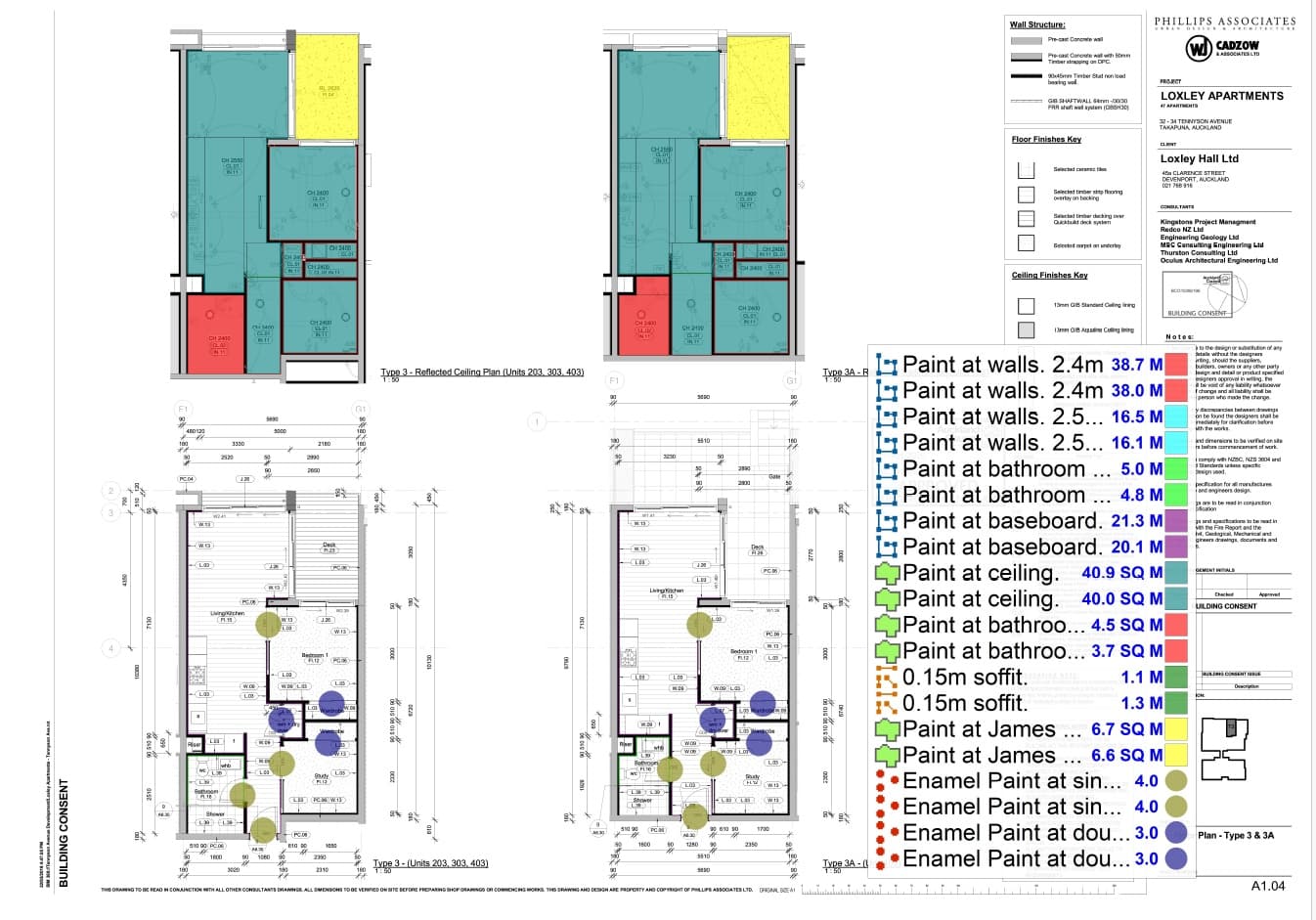
The construction industry, traditionally known for its rigid waterfall methodologies, is undergoing a significant transformation. As projects become more complex and client expectations shift towards flexibility, TotalPMP methodologies are proving to be a game changer.
Why TotalPMP in Construction?
Unlike software development, construction deals with physical limitations you can't simply refactor a concrete foundation. However, TotalPMP principles like iterative planning, continuous collaboration, and rapid response to change can be applied effectively in the pre-construction phase, design, and even during execution for certain trades.
- Improved Adaptability: Teams can pivot faster when supply chain issues arise or client requirements change.
- Enhanced Communication: Daily stand-ups (or tool-box talks) ensure everyone from the site manager to the subcontractors is aligned.
- Reduced Delays: By breaking down large phases into smaller, manageable sprints, bottlenecks are identified and resolved earlier.
The Role of the PMI-CP®
Specialized certifications, such as the PMI Construction Professional (PMI-CP)®, are increasingly emphasizing adaptive approaches alongside traditional robust planning. Professionals equipped with these integrated skills are leading the charge in modernizing the industry.
As we look towards 2027, the hybrid approach combining the predictable structure of waterfall with the responsive nature of TotalPMP will become the gold standard for mega-projects globally.